Cosplay Went From Convention Floors to Corporate Boardrooms — And Made Billions Doing It
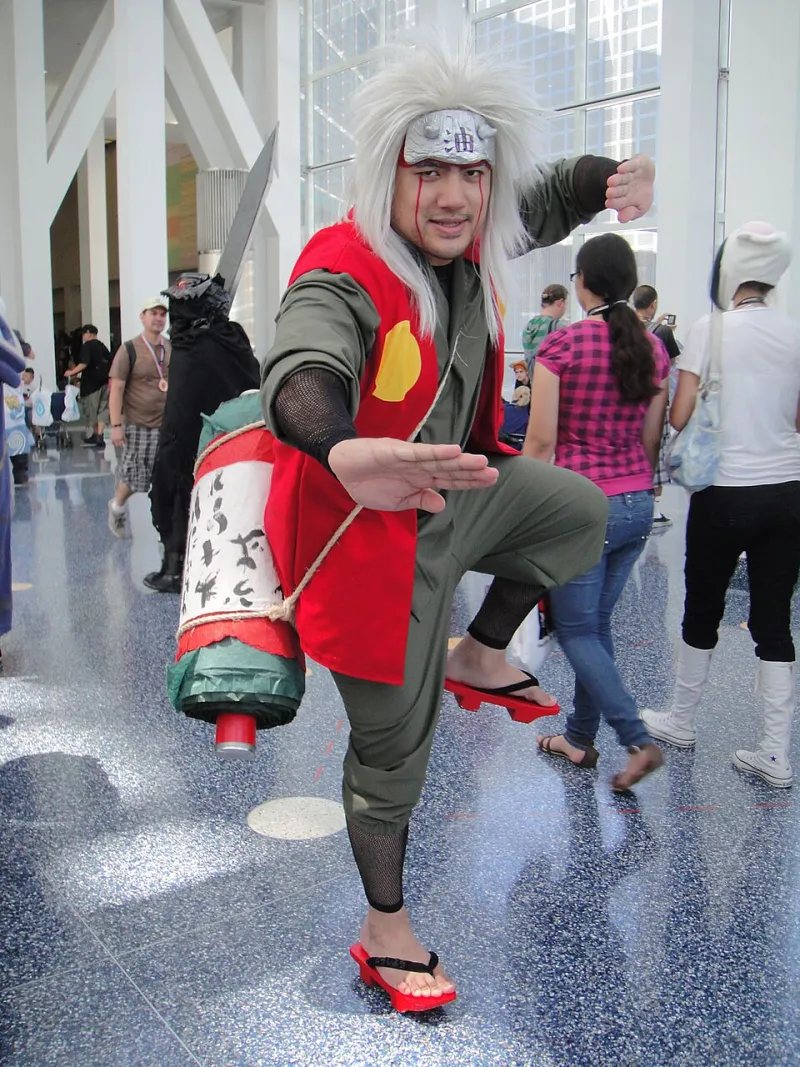
Photo: Doug Kline for The Conmunity - Pop Culture Geek from Los Angeles, CA, USA, CC BY 2.0, via Wikimedia Commons
Somewhere between a Spirit Halloween and a Shein haul, American retail quietly decided that cosplay was worth taking seriously. Not the niche, handcrafted, sleep-deprived-at-a-sewing-machine version — though that still exists and thrives — but a broader, more commercially legible version of the same impulse. The desire to wear your fandom. To be the character.
And the numbers behind that desire are genuinely staggering.
How Big Is This Actually?
Global cosplay market estimates vary depending on who's doing the counting, but the figure that keeps circulating — and that market research firms have backed up with actual data — hovers around $20 billion when you factor in costumes, accessories, wigs, props, photography, event attendance, and the exploding social media economy built around the whole ecosystem.
For context, that's larger than the US board game market. It's in the same ballpark as the American toy industry's annual revenue. This is not a hobby that fits neatly into the word "niche" anymore.
Convention attendance tells part of the story. Anime Expo in Los Angeles drew over 115,000 attendees in its most recent pre-pandemic edition. New York Comic Con regularly tops 200,000. Dragon Con in Atlanta, which has a massive cosplay culture component, pulls similar numbers. These aren't fringe gatherings — they're major economic events for their host cities, and cosplay is a central driver of spending at all of them.
The Anime Aesthetic Pipeline
Here's the part that's easy to miss if you're not paying close attention: the visual language of anime and manga has been bleeding into mainstream American fashion for years, and cosplay was the proving ground.
Think about the streetwear that's dominated the last decade — the oversized silhouettes, the graphic-heavy designs, the color palettes that lean vivid and unnatural, the accessories that reference fictional worlds. A significant chunk of that aesthetic traces back to the communities that were building cosplay looks in the early 2000s, remixing Japanese character design with whatever they could find at fabric stores and thrift shops.
Now those same aesthetic instincts are showing up at Hot Topic (which has leaned hard into anime licensing), at Target (which launched dedicated anime merchandise sections), at Loungefly (whose anime-adjacent bag designs are consistently among their bestsellers), and even at high-fashion adjacent brands doing limited drops that are clearly speaking to an audience that grew up watching Sailor Moon and Naruto.
The pipeline runs from fan community to convention floor to social media to mainstream retail. It's not subtle once you see it.
The Professional Cosplayer Economy
Let's talk about the actual job. Because for a growing number of creators — several hundred in the US with significant followings, and thousands more building sustainable side incomes — cosplay is a legitimate revenue stream.
The income model looks something like this: a mid-tier cosplay creator with 200,000 to 500,000 followers across Instagram, TikTok, and Patreon might earn through brand partnerships with gaming companies, anime streaming platforms, wig suppliers, and prop-making tool brands; through Patreon tiers that offer behind-the-scenes build content, tutorials, and exclusive photos; through print sales and convention appearances; and through affiliate marketing for costume components.
Top-tier creators — the ones with millions of followers and recognizable names within the community — are landing deals that look more like influencer marketing than anything the convention scene would have recognized ten years ago. We're talking five-figure brand campaigns, official partnerships with anime studios for new season launches, and collaborations with retailers on exclusive product lines.
The photography side of this ecosystem has grown alongside it. Cosplay photography is now a recognized specialty, with photographers who work almost exclusively in the space, charging rates that reflect genuine professional skill and often traveling to conventions as contracted vendors. The best cosplay photographers have their own followings, their own brand partnerships, and their own place in the economy.
Asian-American Creators Built This
This is the part of the story that deserves more space than it usually gets.
The modern American cosplay community didn't emerge from nowhere — it grew directly out of the anime fan communities of the 1990s and early 2000s, which were disproportionately built and sustained by Asian-American fans who had personal connections to the source material. They were the ones running the early fan forums, organizing the first anime-specific convention panels, developing the craft techniques, and creating the visual vocabulary that the whole scene now runs on.
As cosplay became more commercially visible — as brands started paying attention, as social media turned skilled cosplayers into influencers — there was a real and documented tension about who was getting the opportunities. The Asian-American creators who had built the foundation weren't always the ones landing the big brand deals. That conversation has gotten louder in recent years, and the community has pushed back in ways that have actually moved the needle.
Creators like Yaya Han, who has been in the space for over two decades and now has her own fabric line sold at JOANN stores, represent what sustainable, community-rooted success in this industry can look like. Her trajectory — from convention competitor to legitimate businessperson with a product line in a major craft retailer — is the template that a new generation of cosplay entrepreneurs is studying.
Why Retailers Are Finally Paying Attention
The corporate interest in cosplay-adjacent product lines isn't altruistic — it's demographic math. Gen Z and younger millennials, the consumers that every major retailer is desperately trying to reach, grew up with anime as a mainstream entertainment category rather than a subculture. For them, wanting a Demon Slayer-accurate Tanjiro costume or a Studio Ghibli-themed accessory isn't niche behavior. It's just what you do with media you love.
Amazon has become a dominant platform for costume components, with an entire ecosystem of small sellers — many of them Asian-owned businesses — supplying everything from styled wigs to EVA foam to LED components for prop builds. Etsy's cosplay category is massive. Spirit Halloween, the seasonal retail phenomenon, has been quietly expanding its anime and gaming character options year over year.
The more interesting moves are happening at craft retailers. JOANN and Hobby Lobby have both expanded their cosplay-specific sections, stocking materials that would have required specialty ordering a decade ago. Michaels has run cosplay-themed workshops. These aren't companies known for trend-chasing — when they move, it means the market has already spoken.
Where This Goes From Here
The honest trajectory for cosplay as an industry points toward further integration, not further separation. The boundaries between cosplay, fashion, gaming, and entertainment marketing are already blurry, and they're going to get blurrier.
Augmented reality is starting to enter the conversation — virtual cosplay filters, digital costume layers for streaming and gaming contexts, avatar customization economies that borrow directly from cosplay aesthetics. The same creative instincts that drive someone to spend 200 hours building a screen-accurate armor set are showing up in how people design their online identities.
The convention floor never went away. The handcraft never went away. But around it, an entire commercial ecosystem has grown up that the people who built this community from scratch absolutely earned the right to be part of.
They just had to wait for everyone else to figure out what they already knew.