Gotoку総研 Your Gateway to Asian Digital Culture

Gotoку総研

Your Gateway to Asian Digital Culture

Latest Articles

Why the Best Online Communities You've Ever Joined Were Secretly Built on Asian Social DNA
Creator Culture

Why the Best Online Communities You've Ever Joined Were Secretly Built on Asian Social DNA

Something about the Discord servers that actually feel like home is different — and it's not accidental. Japanese idol fan clubs and Korean online communities quietly handed Gen Z a blueprint for digital belonging that Western forums never could. Here's how that happened.

Punctuation Is Dead. Kaomoji Killed It (And Gen Z Is Fine With That)
Creator Culture

Punctuation Is Dead. Kaomoji Killed It (And Gen Z Is Fine With That)

The exclamation point had a good run. But somewhere between a Japanese flip phone in 2003 and your Discord server in 2024, a string of parentheses and underscores quietly took its job. Here's how kaomoji didn't just supplement English — they started replacing it.

The People Who Decide What Your Face Looks Like Online — And Why Asia Changed Everything
Creator Culture

The People Who Decide What Your Face Looks Like Online — And Why Asia Changed Everything

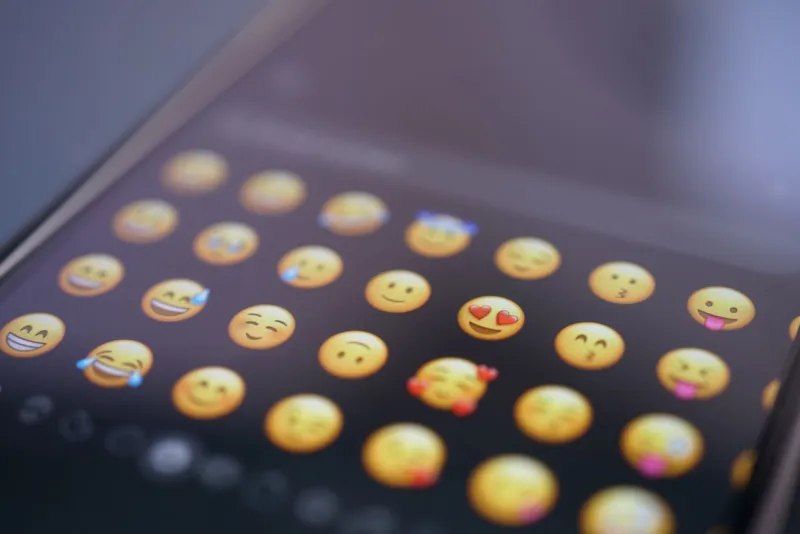
Somewhere in a committee meeting most people have never heard of, engineers and designers are deciding which human faces get to exist on your phone. Asian-led teams at Unicode and major tech companies quietly rewrote the rules — and the story of how they did it is wilder than you'd expect.

One Character to Rule Them All: How Asian Visual Design Rewrote the Grammar of Online Emotion
Creator Culture

One Character to Rule Them All: How Asian Visual Design Rewrote the Grammar of Online Emotion

Before Silicon Valley figured out that a thumbs-up wasn't cutting it, Japan and Korea had already built an entire emotional vocabulary out of pixels and punctuation. Here's how Asian digital design philosophy quietly dismantled Western iconography — and why Americans adopted the replacement without even noticing.

Tiny Characters, Massive Feelings: How Asian Sticker Culture Rewired the Way Gen Z Talks
Creator Culture

Tiny Characters, Massive Feelings: How Asian Sticker Culture Rewired the Way Gen Z Talks

What started as a quirky feature on Japanese and Korean messaging apps quietly evolved into a multi-billion dollar emotional vocabulary that Gen Z now uses more fluently than punctuation. Stickers aren't just cute — they're a fully functional language system, and brands are spending millions to get fluent. Here's how a tiny cartoon bear changed the way humans express themselves online.

Typing in Feelings: How Asian Visual Language Quietly Replaced the English Sentence
Creator Culture

Typing in Feelings: How Asian Visual Language Quietly Replaced the English Sentence

Before emoji, Americans typed 'lol' and called it a day. Now they're stacking stickers, dropping kaomoji, and communicating in a visual shorthand that traces its roots directly to Japanese and Korean internet culture. The shift happened gradually — and then all at once.

One Wrong Word and a Fandom Explodes: The Hidden Power of Anime Localization
Creator Culture

One Wrong Word and a Fandom Explodes: The Hidden Power of Anime Localization

A single translation choice — a name spelled differently, a joke rewritten for Western audiences — can split an anime fandom right down the middle. Inside the surprisingly intense world of localization debates and the passionate communities they accidentally build.

Faded Pages, Fresh Fits: How Scanned 90s Japanese Magazines Are Quietly Running Gen Z's Underground Fashion Scene
Creator Culture

Faded Pages, Fresh Fits: How Scanned 90s Japanese Magazines Are Quietly Running Gen Z's Underground Fashion Scene

Grainy scans of out-of-print Japanese fashion magazines from the 1990s are turning up everywhere — Pinterest boards, Discord servers, Depop storefronts — and they're shaping how a whole generation of American kids dress. It's analog nostalgia for an era nobody in Gen Z actually lived through, and somehow that's exactly the point.

Engineered Insomnia: The Design Secrets Behind Asia's Most Addictive Apps
Gaming & Tech

Engineered Insomnia: The Design Secrets Behind Asia's Most Addictive Apps

Xiaohongshu, Bilibili, and Kakao didn't stumble into keeping you awake until 3 AM — they built it that way. The UI/UX playbooks these platforms wrote years ago are now sitting quietly at the center of Silicon Valley's most aggressive product roadmaps.

2 AM and Wide Awake: How Asian Streamers Figured Out America's Sleepless Hours Before Netflix Even Noticed
Gaming & Tech

2 AM and Wide Awake: How Asian Streamers Figured Out America's Sleepless Hours Before Netflix Even Noticed

While Netflix is busy chasing primetime eyeballs, platforms like WeTV and Bilibili have quietly built a loyal American audience in the hours most media executives pretend don't exist. The 2-6am window turns out to be one of the most engaged — and most underserved — time slots in streaming. And Asia figured that out first.

While You Were Sleeping: How Asia's 24-Hour Stream Economy Quietly Rewired Global Entertainment
Creator Culture

While You Were Sleeping: How Asia's 24-Hour Stream Economy Quietly Rewired Global Entertainment

While most of America was asleep, streamers in Tokyo, Seoul, and Bangkok were building audiences of millions — and cashing in on a content economy that Western platforms never saw coming. The overnight hustle of Asian live streaming didn't just fill a time-zone gap; it invented an entirely new playbook for how entertainment gets made, monetized, and consumed.

Cracking the Feed: How Asian Creators Learned to Speak the Algorithm's Native Language
Creator Culture

Cracking the Feed: How Asian Creators Learned to Speak the Algorithm's Native Language

Japanese, Korean, and Southeast Asian creators aren't just competing on Western platforms — they're quietly dominating them. By borrowing storytelling techniques from anime editing, K-drama cinematography, and manga panel composition, they've figured out something Western creators are still catching up to: the algorithm might just have a cultural preference.

Pixel Romance, Real Feelings: How Japanese and Korean Dating Sims Became Gen Z's Unofficial Relationship Curriculum
Creator Culture

Pixel Romance, Real Feelings: How Japanese and Korean Dating Sims Became Gen Z's Unofficial Relationship Curriculum

Visual novels and dating simulators from Japan and Korea were never supposed to be relationship advice — but somehow, they became exactly that for millions of young Americans. From Mystic Messenger to Collar × Malice, these games are quietly reshaping how a generation thinks about emotional intimacy, communication, and what love is supposed to feel like.

No Hollywood Deal Required: How Asian Animation Studios Found Their American Audience on TikTok First
Creator Culture

No Hollywood Deal Required: How Asian Animation Studios Found Their American Audience on TikTok First

A new wave of independent animation studios from Tokyo, Seoul, and Bangkok is skipping the pitch meetings and streaming negotiations entirely — and going straight to American teenagers instead. Through studio-owned TikTok accounts, viral short-form clips, and a deep understanding of what Gen Z actually wants to watch, these creators are rewriting who gets to decide which stories matter.

Level Up, Western Style: How Japanese RPG DNA Is Rewriting the Rulebook for AAA Studios
Gaming & Tech

Level Up, Western Style: How Japanese RPG DNA Is Rewriting the Rulebook for AAA Studios

Something quietly seismic is happening inside major Western game studios — designers are ditching their old playbooks and reaching for the same tools that built Final Fantasy, Persona, and Dragon Quest. The result is a new breed of hybrid blockbuster that's changing what players expect from every game they touch.

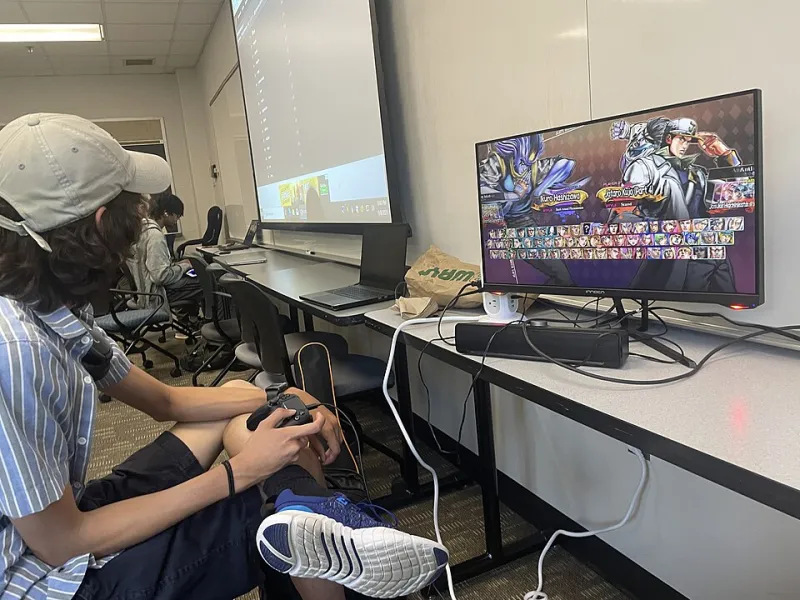
Quarter Drop Revival: How Japanese Fighting Games Turned a Dead Genre Into America's Most Competitive Obsession
Gaming & Tech

Quarter Drop Revival: How Japanese Fighting Games Turned a Dead Genre Into America's Most Competitive Obsession

Fighting games were supposed to be a relic — dusty arcade cabinets and niche basement tournaments. Instead, Street Fighter 6 and Tekken 8 just had some of the biggest competitive seasons in gaming history, complete with celebrity sponsors and six-figure prize pools. Here's how a genre Japan never gave up on came roaring back to center stage in America.

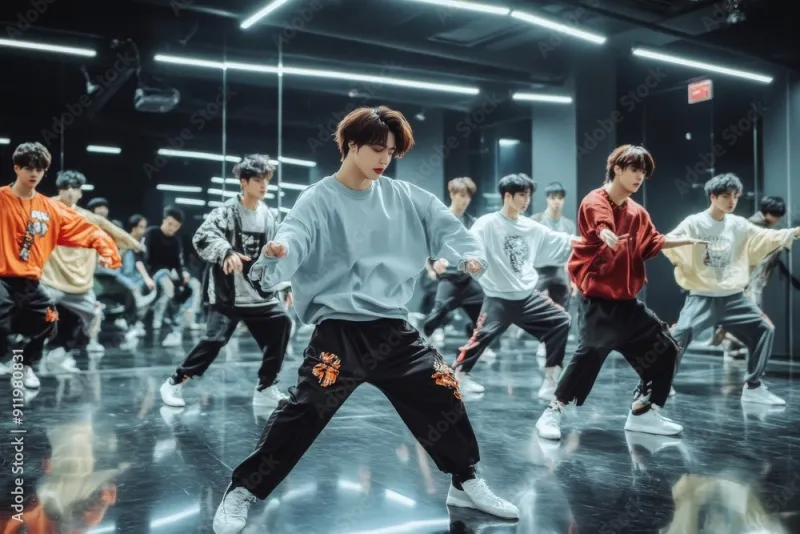
Trainee Nation: How K-Pop's Grueling Boot Camp Model Is Quietly Rewiring the American Music Business
Creator Culture

Trainee Nation: How K-Pop's Grueling Boot Camp Model Is Quietly Rewiring the American Music Business

Korean entertainment companies spent decades perfecting a system that turns raw talent into precision-engineered pop stars — and now American labels are paying close attention. From indie vocal academies in Los Angeles to major label pilot programs quietly borrowing from the HYBE playbook, the trainee pipeline is crossing the Pacific. But does it translate, and at what cost?

Plastic City, Real Feelings: Why Gen Z Can't Stop Listening to 40-Year-Old Japanese Pop
Gaming & Tech

Plastic City, Real Feelings: Why Gen Z Can't Stop Listening to 40-Year-Old Japanese Pop

Mariya Takeuchi recorded 'Plastic Love' in 1984. Four decades later, it's the unofficial anthem of a generation that wasn't born yet when she made it — and that irony is kind of the whole point. City pop's explosion on TikTok and Spotify isn't random nostalgia. It's a generation using old music to say something very specific about the world they're living in right now.

Scroll Down to a New Story: How Webtoons Broke the Comic Book Mold for a Mobile Generation
Creator Culture

Scroll Down to a New Story: How Webtoons Broke the Comic Book Mold for a Mobile Generation

Korean webtoons didn't just digitize comics — they rebuilt the entire reading experience from the ground up for a generation that lives on their phones. Platforms like Webtoon and Tapas are now pulling in billions, and Hollywood is already circling. Here's how a vertical scroll became one of the most disruptive forces in visual storytelling.

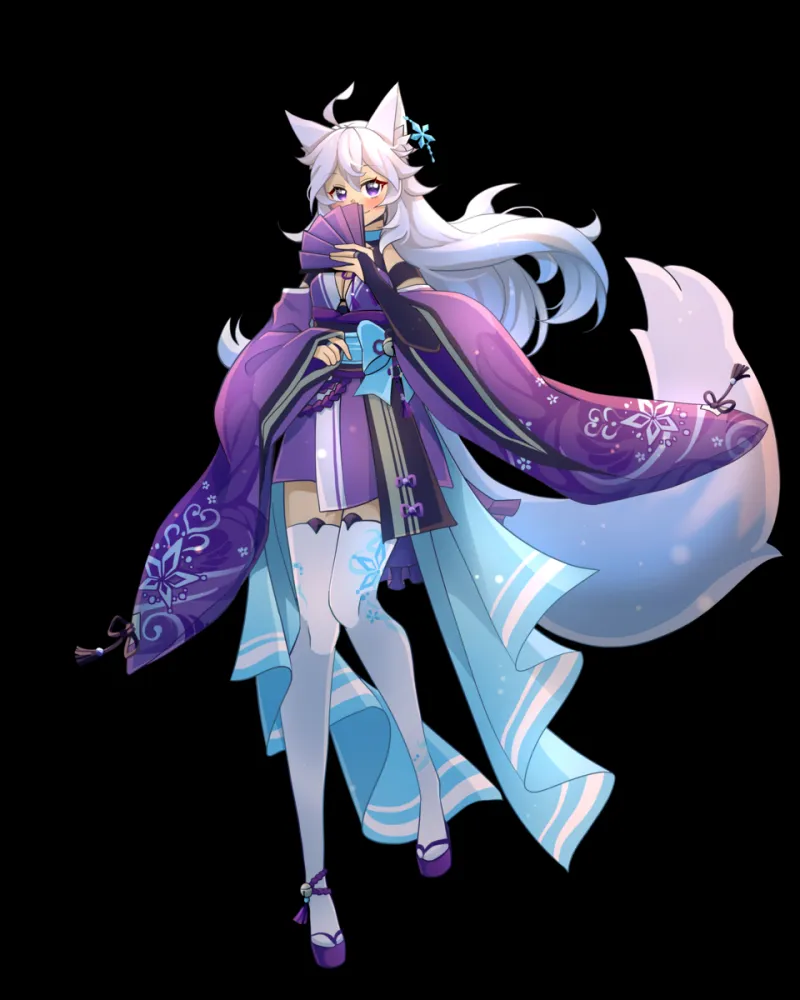
Streaming Behind a Mask: How Virtual Avatars Turned Into a Legit Career — and a Billion-Dollar Business
Creator Culture

Streaming Behind a Mask: How Virtual Avatars Turned Into a Legit Career — and a Billion-Dollar Business

Virtual YouTubers started as a quirky corner of Japanese internet culture, but they've quietly grown into one of the most lucrative lanes in digital entertainment. We break down the agencies, sponsorships, and parasocial magic that make the VTuber economy tick — and why more Western creators are strapping on avatars every single day.