Streaming Behind a Mask: How Virtual Avatars Turned Into a Legit Career — and a Billion-Dollar Business
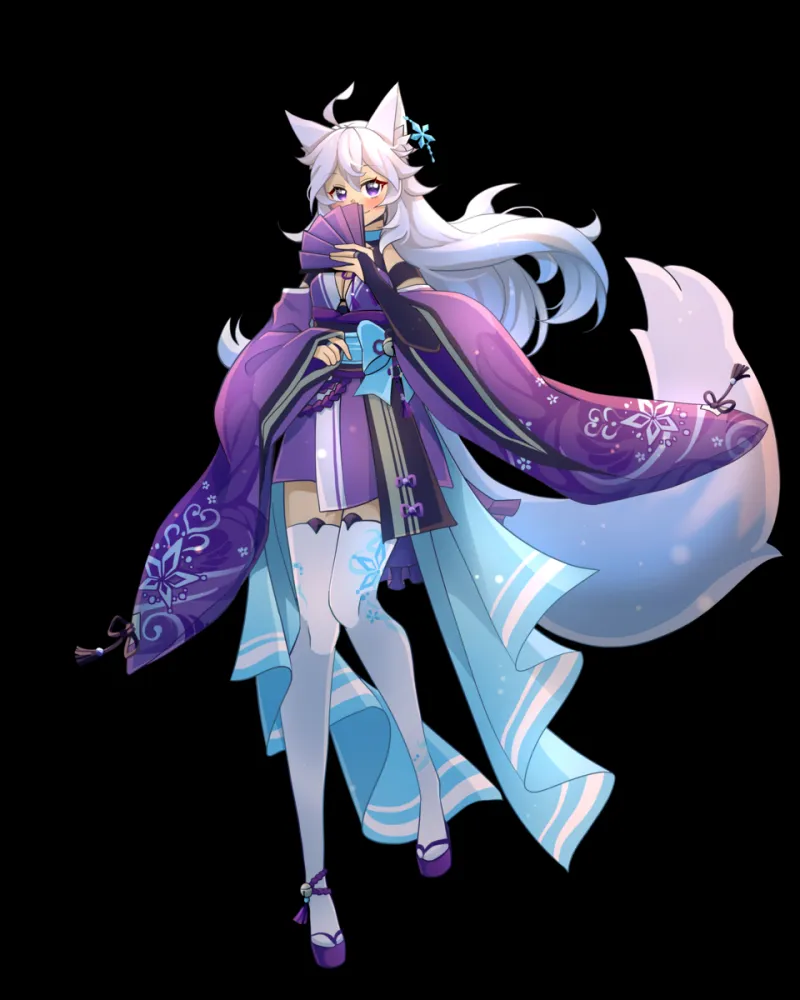
Photo: FoxHelper, CC BY 4.0, via Wikimedia Commons
Imagine building a fanbase of hundreds of thousands, landing six-figure brand deals, and selling out merchandise drops — all without ever showing your face. That's not a hypothetical. For a growing wave of creators operating inside the VTuber economy, it's Tuesday.
Virtual YouTubers, or VTubers, use animated 2D or 3D avatars — usually styled after anime characters — to host livestreams, play games, sing original songs, and interact with fans in real time. The streamer behind the avatar might be anywhere in the world. The character they're performing as, though, has its own name, its own lore, its own personality, and increasingly, its own net worth.
What started as a niche Japanese internet experiment has quietly become a global content industry worth well over a billion dollars — and it's only getting started.
Where It All Began: Kizuna AI and the Birth of a Genre
Most VTuber origin stories start with Kizuna AI, a virtual character who launched on YouTube in 2016 and became a genuine phenomenon almost immediately. She wasn't a puppet or a mascot — she talked directly to her audience, reacted to games in real time, and built what felt like a genuine personality. Japanese audiences especially connected with her, and within a couple of years she had millions of subscribers and was appearing in mainstream brand campaigns.
Kizuna AI proved that an anime avatar could function as a full entertainment personality. The concept spread fast. By 2018, dozens of independent VTubers were operating in Japan, and talent agencies started paying close attention.
The Agency Model: Hololive, Nijisanji, and the Machine Behind the Magic
Here's where the business side gets genuinely fascinating. The two biggest players in the VTuber agency world — Cover Corp (which runs Hololive) and Anycolor (which runs Nijisanji) — operate more like talent agencies crossed with entertainment studios than anything else in the creator space.
Both companies are publicly traded on the Tokyo Stock Exchange. That alone should tell you something about how seriously the industry has matured.
Agencies like these recruit talent, design and commission custom avatars, handle legal and IP management, coordinate sponsorship deals, and manage merchandise production. In exchange, they take a cut of revenue. Creators who sign with these agencies get infrastructure that would take years to build independently — and an instant audience boost from being part of a recognizable brand.
Hololive English launched in 2020 and immediately demonstrated that Western audiences were not just receptive to VTubers — they were hungry for them. Talents like Gawr Gura, whose shark-girl avatar became one of the most subscribed VTubers in history, pulled in millions of followers within months. Superchats, YouTube's tipping system, generated staggering numbers. Some individual streams cleared tens of thousands of dollars in fan donations in a single sitting.
The Revenue Stack: How VTubers Actually Make Money
One of the most interesting things about the VTuber economy is how diversified the income streams are. It's not just ad revenue — in fact, for top creators, ad revenue is almost a rounding error compared to everything else.
The real money comes from a combination of sources:
Superchats and memberships are the bread and butter. Fans pay monthly for exclusive content access, and during streams they send highlighted messages — often just to get acknowledged — for anywhere from a few dollars to several hundred. Top VTubers regularly rank among YouTube's highest superchat earners globally.
Merchandise is enormous. Acrylic standees, voice packs, plushies, birthday sets — VTuber merch moves fast and sells out regularly. Agencies run their own storefronts and often partner with Japanese goods manufacturers to handle production and fulfillment.
Sponsorships have matured significantly. Early VTuber brand deals were mostly gaming peripherals and energy drinks. Now you're seeing collaborations with major fashion brands, food companies, and entertainment properties. When a VTuber character partners with a brand, it's not just an ad — it becomes content, which fans actually watch and share.
Music and live events round out the picture. VTubers regularly release original songs, some of which chart. Virtual concerts — where the avatar performs in a digital space — sell tickets that can run $30 or more per viewer, with thousands attending.
Put it all together and the top earners in this space are pulling in seven figures annually. Not hypothetically. Actually.
Why Western Creators Are Going Virtual
Here's the shift that's really worth watching: independent Western creators — people who built audiences on Twitch or YouTube doing face-cam content — are increasingly adopting VTubing, often without any agency involvement at all.
The reasons are layered. Privacy is a big one. Streaming full-time means your face is on the internet constantly, and that carries real risks, from harassment to just the psychological weight of being permanently visible. An avatar creates distance. You can be fully present as a personality without being physically exposed.
But there's something more subtle happening too. The avatar format seems to lower certain social barriers. Fans interact with VTuber characters in a way that feels slightly less parasocial and slightly more like engaging with a fictional universe they're part of. The parasocial connection is still there — arguably it's even stronger — but it's mediated through a layer of creative fiction that both the creator and audience seem to find genuinely freeing.
Independent VTubers — called "indie VTubers" in the community — now number in the thousands. Tools for creating and rigging your own avatar have gotten dramatically cheaper and more accessible. Some creators are building sustainable audiences and real income streams entirely on their own, without agency backing.
What This Tells Us About Where Entertainment Is Going
The VTuber economy is a pretty clean case study in how Japanese digital culture has a habit of arriving in the US quietly, then becoming completely normal before most people notice the transition happened.
The underlying logic — that audiences will form deep connections with consistent personalities even when those personalities exist behind a designed character — maps directly onto how a lot of entertainment has always worked. We've been emotionally invested in fictional characters forever. VTubing just makes that dynamic interactive.
For the creator economy broadly, the lesson is about sustainability. An avatar doesn't age, doesn't have bad hair days, and can be redesigned. The IP is separable from the individual. That's a genuinely different kind of creative asset than a face-cam channel, and the industry is only starting to figure out all the ways that difference matters.
The mask, it turns out, isn't hiding anything. It's the whole point.