Pull the Lever: How Gacha Mechanics Quietly Became America's Favorite Way to Spend Money on Fun
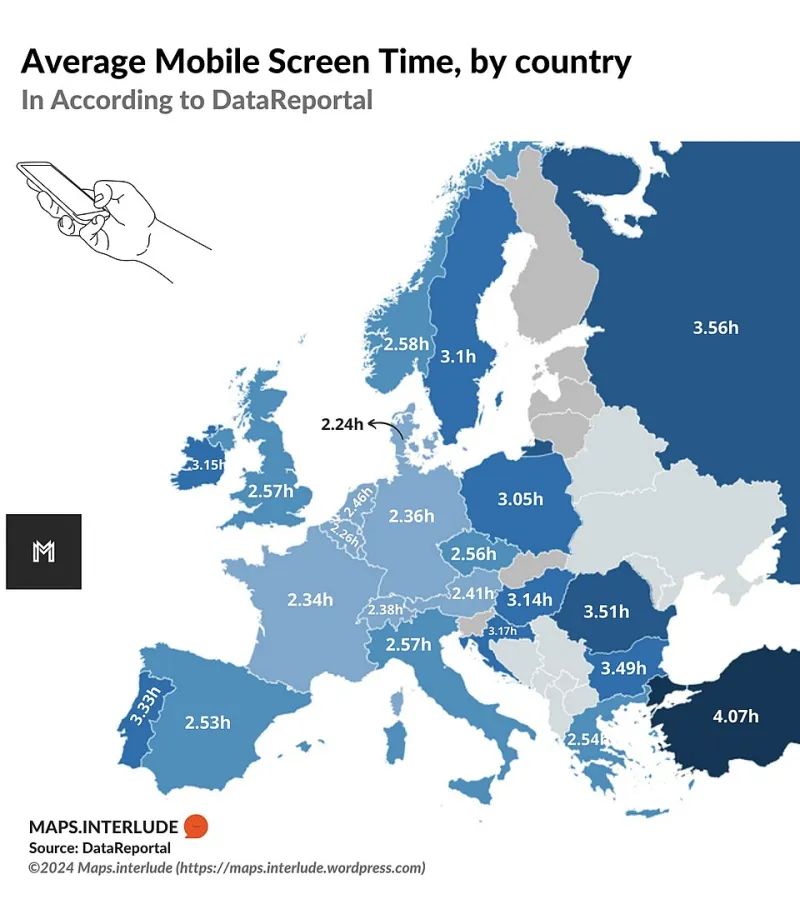
Photo: Maps.interlude, CC BY 4.0, via Wikimedia Commons
Picture a capsule toy machine outside a Japanese convenience store — drop in your coins, twist the knob, get something random. Maybe it's the rare one you wanted. Probably it isn't. You twist again. That's gacha. And somewhere between that humble vending machine and your phone screen, it became one of the most psychologically sophisticated — and financially dominant — monetization systems in entertainment history.
If you've played a mobile game in the last five years, you've encountered it. Genshin Impact. Pokémon GO. Marvel Snap. Even apps that aren't technically games have borrowed its logic. The question isn't whether gacha mechanics have taken over American entertainment spending — they clearly have. The more interesting question is: what are we actually doing about it, and does anyone even want to stop?
A Quick Primer on How the Pull Works
Gacha, derived from the Japanese onomatopoeia for that capsule machine crank, operates on a simple but devastatingly effective loop. You spend in-game currency — purchased with real money or earned slowly through play — for a randomized reward. Characters, weapons, cosmetics, abilities. The rewards have rarity tiers. The rarest ones are statistically unlikely but not impossible, and that gap between unlikely and impossible is where billions of dollars live.
The genius (or the menace, depending on who you ask) is that gacha systems are engineered to sit just below the threshold of "obviously gambling" while delivering the same neurological rewards. The anticipation of the pull, the animation sequence, the reveal — it's a dopamine delivery mechanism dressed up as entertainment.
Japanese mobile game developers refined this formula through the 2010s into something remarkably precise. By the time it crossed the Pacific and went mainstream in the US, it had already been stress-tested on tens of millions of players.
The Numbers Are Hard to Argue With
The US mobile gaming market crossed $50 billion in annual revenue, and a significant chunk of that flows through gacha or gacha-adjacent mechanics. The distribution of that spending is where things get ethically complicated.
The industry term for the highest-spending players is "whales" — a small percentage of users who account for a disproportionate share of revenue. Some estimates suggest the top 1-2% of spenders generate anywhere from 50-80% of a game's total income. For those players, monthly spending can run into hundreds or thousands of dollars on a single title.
For the companies, this is a feature, not a bug. The free-to-play model subsidizes a huge casual audience with money extracted from a smaller, more spending-prone segment. It's a financially elegant system — until you start asking harder questions about who those spenders are and what's driving their behavior.
The Psychology Nobody Wants to Talk About Plainly
Game designers who work in this space are rarely shy about the mechanics they're deploying. Variable reward schedules — the same psychological principle behind slot machines — create stronger behavioral loops than predictable rewards. The "pity system," where a guaranteed rare drop occurs after a certain number of failed pulls, is designed to keep players pulling through frustrating dry streaks rather than quitting.
There's also the FOMO architecture. Limited-time banners featuring exclusive characters create artificial scarcity and urgency. Miss this pull window and that character may not return for months or years. The emotional stakes are manufactured, but the spending response they generate is completely real.
Where this gets genuinely thorny is when you consider the overlap between gacha mechanics and gambling psychology. Researchers studying problem gambling have noted significant behavioral similarities between pathological gambling and compulsive gacha spending — the chasing of losses, the distorted perception of odds, the spending beyond what's rationally justifiable. The difference, legally speaking, is that gacha rewards are virtual items with no direct cash-out value. That distinction has so far kept the industry outside most US gambling regulations.
Generational Spending Habits Are Shifting the Baseline
Millennials and Gen Z in the US grew up in an era where paying for entertainment looked completely different from their parents' experience. A $60 game purchase feels enormous. A $3.99 pull feels trivial. That psychological reframing of transaction size — sometimes called "micro-transaction normalization" — has made gacha spending feel more acceptable than its cumulative total would suggest.
For younger audiences especially, the social dimension amplifies the spending logic. Showing off a rare character pull on TikTok or Discord isn't just about the game — it's social currency. The gacha pull becomes content. The spending becomes performance. Companies understand this and design their reveal animations accordingly.
This has also started bleeding into non-gaming spaces. Trading card apps, sports collectible platforms, even some streaming services have experimented with randomized reward structures for bonus content. The gacha logic has escaped its original container.
Regulators Are Paying Attention — Slowly
Several countries have moved more aggressively than the US on gacha regulation. Belgium and the Netherlands classified certain loot box mechanics as gambling and banned them outright. Japan itself — the birthplace of modern gacha — has regulations requiring disclosure of drop rates and prohibiting the most predatory "complete gacha" systems.
In the US, the FTC has made noise about loot boxes and randomized purchases targeting minors, and some state-level proposals have floated age restrictions or spending caps. But comprehensive federal regulation remains distant. The industry has largely gotten ahead of the issue through voluntary disclosure of odds — a concession that cost relatively little and bought significant goodwill with regulators.
The debate isn't really about whether gacha is harmful in the abstract. It's about who bears the cost of harm and who has the responsibility to limit it. Companies point to parental controls and voluntary spending limits. Critics argue those tools are deliberately hard to find and easy to ignore.
So Is This the Future, or a Bubble?
Here's the honest answer: probably both, depending on the segment.
Gacha mechanics are structurally embedded enough in mobile gaming that they're not going anywhere soon. The revenue model works too well for too many companies to abandon. But there are signs of ceiling effects — player fatigue, increased competition for the same spending-prone audience, and a growing cohort of younger players who've grown up with the system and are more resistant to its manipulations than earlier generations.
The more interesting question is whether gacha logic continues its expansion into non-gaming entertainment. Streaming, music, sports — anywhere that content can be gamified and monetized through anticipation rather than guaranteed value. The mechanics are proven. The question is how far audiences will let them travel before the backlash arrives.
For now, the lever keeps spinning. And a whole lot of American wallets keep feeling it.