Why the Best Online Communities You've Ever Joined Were Secretly Built on Asian Social DNA

You've probably been in a Discord server that just worked. Not in a technical sense — in a human sense. Roles that actually meant something. Channels that stayed on topic without anyone losing their mind. A mod team that felt less like hall monitors and more like older siblings. You probably didn't stop to wonder why it felt that way. But if you traced the design logic back far enough, you'd end up somewhere unexpected: the fan club structures of Japanese idol groups and the hyper-organized community boards of Korean internet culture.
That's not a metaphor. That's the lineage.
The Forum That Never Quite Fit
Western internet communities have a long history of being kind of a mess. Reddit threads devolve. Facebook groups get colonized by spam. Old-school forums like phpBB and Invision were functional but cold — filing cabinets dressed up as living rooms. The underlying philosophy was always pretty flat: here's a space, here are some rules, good luck.
What that model missed was hierarchy as hospitality. The idea that structure, done right, doesn't feel like restriction — it feels like belonging. That you know exactly where you stand, what you're allowed to do, and who to go to when something goes sideways. That's not a bureaucratic concept. It's a deeply social one. And it's something that East Asian community culture has been practicing for decades.
Japanese fan clubs — especially those organized around idol groups like AKB48 or the massive communities that grew up around anime franchises — were never just spaces to share enthusiasm. They were layered social ecosystems with real internal logic. Veteran fans mentored newer ones. Contribution was tracked and recognized. There were unspoken (and sometimes very spoken) codes of conduct that kept the whole thing from imploding. The emotional payoff for navigating that system correctly was enormous: you weren't just a fan, you were part of something.
Roles Aren't Just Labels — They're Social Architecture
When Discord rolled out its role and permission system, most Western server admins used it the way you'd use a sticky note: quick, functional, temporary. But a different approach emerged from communities that had grown up on LINE, KakaoTalk, and the structured forums attached to K-pop fandoms. In those spaces, roles weren't administrative shortcuts. They were identity markers.
If you've spent any time in a well-run K-pop fan server, you've seen this in action. There are roles for how long you've been a member. Roles for the specific artists or subunits you stan. Roles that unlock access to deeper channels once you've proven you're not going to cause chaos. It mirrors the tiered membership logic of official fan clubs — the kind where showing up consistently actually gets you somewhere.
American Gen Z picked this up fast. Not because they studied it, but because they felt the difference. A server with thoughtful role architecture just feels more real. More worth staying in. The structure signals that someone cared enough to build something intentional — and that signal reads as safety.
Emoji as Policy, Not Just Personality
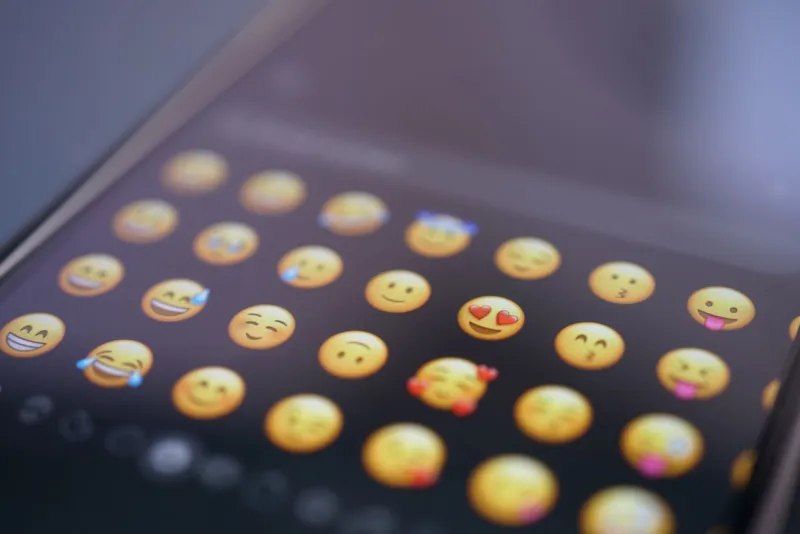
Here's a specific thing that migrated quietly from LINE culture into mainstream Discord behavior: using emoji reactions as a moderation and communication system. On LINE — still one of the dominant messaging platforms across Japan and much of Southeast Asia — reactions carry weight. They're not just digital applause. They signal agreement, acknowledgment, or gentle correction depending on context.
In highly functional Discord servers, you'll see mods using emoji reactions to mark posts as answered, flag content for review, or signal that a rule reminder has been noted. It's non-confrontational. It keeps the chat from turning into a wall of mod messages. And it creates a visual shorthand that even new members can learn quickly.
That's LINE logic. It didn't arrive with a press release. It just spread because it worked.
The Senpai System, Rebranded
One of the more fascinating transplants is the informal senpai-kohai dynamic — the Japanese concept of junior-senior relationships built on experience and mutual respect — showing up in how Gen Z Discord servers handle onboarding.
Formal mentorship programs in big servers, where established members are paired with newcomers, are increasingly common. So are "ask me anything" channels specifically designated for newer members to get oriented without fear of embarrassment. The underlying logic is almost identical to how Japanese school clubs and professional environments handle integration: the experienced guide the inexperienced, and that guidance is considered an honor, not a burden.
Western online culture historically had a different default — sink or swim, learn the rules by breaking them, get ratio'd until you figure it out. That model produces thick skin and not much else. The senpai-influenced alternative produces actual retention. People stay in communities where they feel like someone was waiting for them.
Why It Hits Different for Gen Z Specifically
There's a generational piece here that matters. Gen Z grew up watching parasocial relationships play out in real time — with YouTubers, streamers, VTubers, and idol groups whose entire brand was cultivated intimacy at scale. They're fluent in the emotional language of communities that are simultaneously massive and personal.
Asian digital culture, particularly around K-pop and anime, perfected that paradox early. You could be one of a million fans and still feel like the community was built for you specifically. The server structures that emerged from those fandoms carried that feeling forward. When American Gen Z encountered it, they didn't need it explained. They just recognized it as the thing they'd been looking for.
Traditional Western forum culture never promised intimacy. It promised access. Those are very different things.
Building a Home on the Internet
What's happening in Discord right now — across gaming servers, study groups, creative communities, local meetups, and fan spaces — is a quiet redesign of what it means to belong somewhere online. The raw material is American. The architecture, more often than not, has roots elsewhere.
Japanese community design brought the idea that structure is care. Korean fan culture brought the idea that intensity and organization aren't opposites. LINE brought the idea that communication can be gentle and still precise. All of it landed in a platform that was ready for it, adopted by a generation that was hungry for exactly what it offered.
The best Discord server you've ever been in probably didn't come with a cultural citation. But somewhere in its role list, its emoji reactions, its welcome channels and its veteran-member mentors, there's a design philosophy that traveled a long way to find you. And the fact that it felt like home the moment you walked in? That wasn't an accident. That was the point.