Plastic City, Real Feelings: Why Gen Z Can't Stop Listening to 40-Year-Old Japanese Pop
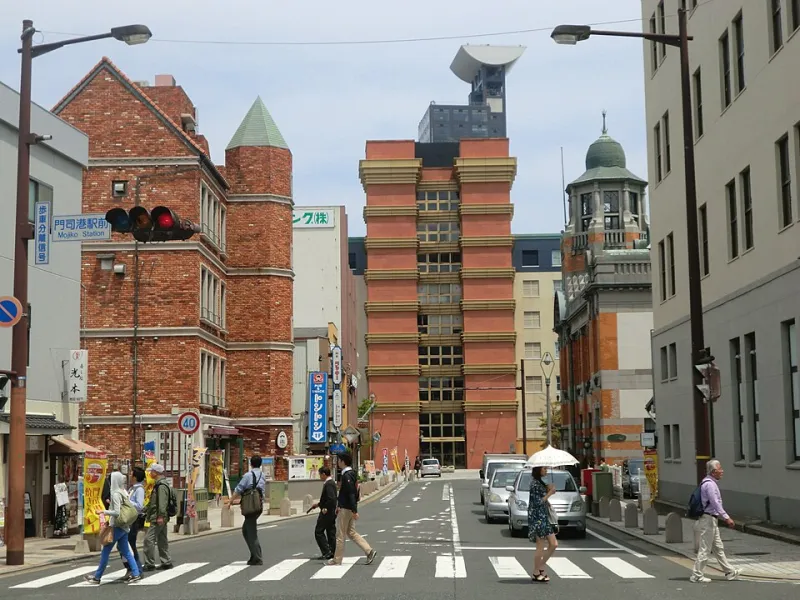
Photo: Nissy-KITAQ, CC BY-SA 3.0, via Wikimedia Commons
Somewhere in the recommendation engine of YouTube, around 2017 or 2018, an algorithm made a decision that nobody planned for. It started surfacing Mariya Takeuchi's "Plastic Love" — a breezy, melancholy city pop track from 1984 — to listeners who had no obvious reason to find it. They weren't searching for Japanese music. They weren't digging through obscure archives. The algorithm just... decided they needed to hear it. And they did. Millions of them.
What followed is one of the stranger cultural stories of the streaming era: a genre of Japanese pop music made during Japan's economic bubble, for a specific urban audience in a country most of these listeners have never visited, became a defining aesthetic touchstone for American Gen Z. Not as a curiosity. As something that actually hits.
What City Pop Even Is
City pop (シティ・ポップ) emerged in Japan in the late 1970s and peaked in the mid-to-late 1980s. It was aspirational music — slick production, jazz-funk influences, Western instrumentation, lyrics about urban romance and late nights and emotional ambiguity. Artists like Tatsuro Yamashita, Anri, and Takeuchi made music that sounded like the feeling of driving through a glittering city at midnight with the windows down. It was the soundtrack of Japan's bubble economy: prosperous, stylish, and just slightly melancholic underneath all that polish.
The genre had a long commercial run in Japan and then essentially faded from mainstream consciousness. It didn't die — Japanese music fans maintained a steady appreciation for it — but it wasn't a living, breathing cultural force anymore. It was catalog music. Nostalgia for people who remembered the era.
And then the algorithm found it.
The Algorithm as Archaeologist
The YouTube recommendation engine's role in city pop's revival is genuinely fascinating from a tech perspective, and it's the kind of thing that could only happen in the streaming age. Takeuchi's "Plastic Love" had a striking thumbnail — her face, iconic 80s styling — that performed well in click-through rates. The song's structure, that mix of upbeat instrumentation and emotionally ambiguous lyrics, kept people listening through to the end, which signals quality to recommendation systems. One viral moment fed another, and before long the track had over 100 million views on a single upload.
That's not organic rediscovery in any traditional sense. It's algorithmic archaeology — a machine sorting through decades of recorded music and surfacing something that resonates with contemporary emotional patterns it detected in user behavior. The listeners didn't know they wanted city pop. The algorithm figured out they might, and it was right.
Spotify followed. Curated playlists with names like "Japanese City Pop Vibes" and "80s Tokyo Nights" started racking up millions of streams. TikTok accelerated everything further, with the genre becoming shorthand for a specific aesthetic: soft lighting, analog textures, a kind of wistful distance from the present moment.
The Anti-Polish Paradox
Here's the part that seems like a contradiction until it doesn't: city pop is extremely produced music. These were big-budget recordings made with professional session musicians in high-end Tokyo studios. The production is lush, layered, meticulous. So why is it resonating so strongly with a generation that supposedly values authenticity and rawness over polish?
The answer is that city pop's polish feels different from contemporary polish. Modern pop production — the kind that dominates the Billboard Hot 100 — is optimized. Every element is tuned to maximize engagement, to hit dopamine receptors on the first listen, to be instantly shareable. It's polish in service of algorithmic performance.
City pop was polished in service of feeling. The production choices were made to evoke a mood, a place, a specific emotional texture. You can hear the intent in it. That intentionality — even across a 40-year cultural and linguistic gap — reads as genuine to listeners who have grown up surrounded by content that's been A/B tested into emotional efficiency.
There's also the lo-fi adjacent quality of listening to music that was recorded on analog equipment and wasn't mastered for streaming. The warmth, the slight imperfections, the way certain frequencies sit differently than modern recordings — it all contributes to a sensory experience that feels less processed, even when the music itself is highly crafted.
Loneliness as Aesthetic
If you spend any time in the corners of TikTok where city pop lives, you notice a recurring emotional theme: loneliness. Not despair — the music is too breezy for despair — but a specific kind of comfortable solitude. Videos pair city pop tracks with footage of empty streets at night, rain on windows, solo meals, commutes through lit-up cities. The aesthetic is urban isolation rendered beautiful.
For a generation that came of age during a pandemic, that navigates relationships primarily through screens, and that has higher rates of reported loneliness than any previous cohort in recorded survey history — that aesthetic isn't escapism. It's recognition. City pop doesn't make loneliness feel solved. It makes it feel held.
Takeuchi's "Plastic Love" is literally about emotional unavailability and the performance of not caring. Yamashita's best work is full of reaching-for-connection imagery. Anri's catalog is drenched in beautiful, unresolved yearning. These weren't accidental themes — they reflected real emotional tensions in Japan's bubble-era urban culture. That they map so cleanly onto the emotional landscape of American Gen Z in the 2020s says something worth sitting with about what modernization and urban disconnection actually feel like across cultures and decades.
What the Revival Actually Means
City pop's American moment isn't really about Japan, or the 1980s, or even music in the traditional sense. It's about a generation using an aesthetic tool to articulate something they're struggling to say directly. The genre provides emotional permission — it's okay to sit in this feeling, to find it beautiful rather than shameful, to let a song from 1984 Tokyo be the thing that finally puts words (or rather, sounds) to something you've been carrying around.
That's what good music does, regardless of where or when it was made. The algorithm just needed four decades and a very good thumbnail to figure out who needed to hear it.