Quarter Drop Revival: How Japanese Fighting Games Turned a Dead Genre Into America's Most Competitive Obsession
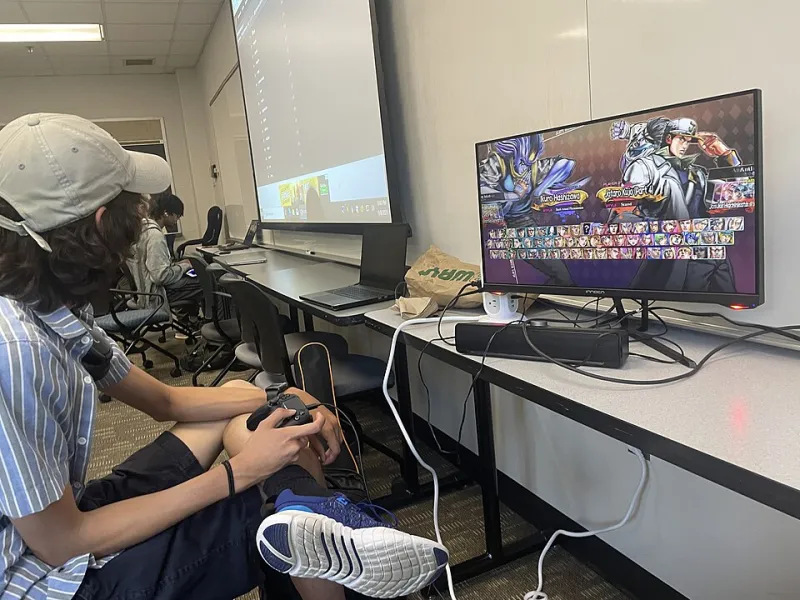
Photo: GuiltyGearFan37, CC0, via Wikimedia Commons
Ask anyone who was gaming in the mid-2000s and they'll tell you the same thing: fighting games were dying. The arcade era had collapsed, home consoles were chasing open-world experiences, and the genre's most prominent franchises were releasing entries that felt like they were treading water. By the time Street Fighter IV dropped in 2009, the conventional wisdom was that it was a nostalgia play — a gift to a shrinking fanbase, not a growth strategy.
That conventional wisdom was spectacularly wrong.
Fifteen years later, the Evolution Championship Series — better known as EVO — sells out arenas. Street Fighter 6 and Tekken 8 are pulling viewership numbers that rival traditional esports juggernauts. And a new generation of players is dropping serious money — sometimes hundreds of dollars — just to get competitive in a genre that American gaming culture had essentially written off.
So what happened?
Japan Never Let Go
The short answer is that Japan kept the flame burning while America looked away.
While Western studios pivoted to shooters, battle royales, and open-world RPGs, Japanese developers at Capcom, Bandai Namco, and Arc System Works kept iterating on fighting game fundamentals. They invested in netcode improvements, rollback technology, and frame-data accessibility. They built games that were deep enough to reward thousands of hours of practice but approachable enough that a newcomer could have fun on day one. That balance — casual floor, infinite ceiling — turned out to be exactly what a streaming-era audience needed.
The Japanese competitive scene, particularly the network of local arcades that persisted long after American arcades went dark, also kept producing elite players. Names like Daigo Umehara became legendary not just in Japan but globally, representing a kind of mastery that transcended language and cultural barriers. When American players wanted to understand what the ceiling of the game looked like, they were watching Japanese players achieve it.
The Rollback Revolution and the Return of the Crowd
If there's one technical development that explains the genre's resurgence in the US, it's rollback netcode. Without getting too deep into the weeds: older fighting games used a networking method that made online play feel laggy and inconsistent, which was a death sentence for competitive play in a post-arcade world. Rollback netcode essentially predicts inputs and corrects errors invisibly, making online matches feel close to local play.
When Street Fighter 6 launched in 2023 with robust rollback implementation and a genuinely excellent online infrastructure, it removed one of the biggest barriers to entry for American players who didn't have a local scene. Suddenly, someone in rural Kansas could get high-level matches against players in Tokyo without the experience feeling like a slideshow.
Pair that with the game's "Modern Controls" option — a simplified input scheme that lets newcomers execute special moves without memorizing quarter-circle motions — and you have a game that genuinely meets players where they are. The hardcore community grumbled about it. The player numbers told a different story.
Tekken 8, released in early 2024, followed a similar philosophy. Cleaner visuals, more accessible mechanics on the surface, but the same bottomless depth underneath for players willing to dig. Both games hit Steam charts in ways their predecessors never did, reaching audiences who'd never touched a fight stick in their lives.
From Basement Brackets to Broadcast Deals
The competitive infrastructure around fighting games has transformed just as dramatically as the games themselves.
EVO, which started as a grassroots tournament in a Las Vegas hotel ballroom, is now partially owned by Sony and draws live audiences that fill convention halls. The 2024 main stage events pulled streaming numbers that had esports analysts doing double-takes. Prize pools have grown, but more importantly, the prestige has grown — placing top 8 at EVO in Street Fighter is now a credential that carries weight in ways it simply didn't ten years ago.
Sponsorship money followed the eyeballs. Energy drink brands, peripheral companies, and even mainstream fashion labels have started appearing on the jerseys and streams of top players. Guys like Victor "Punk" Woodley and Arslan Ash aren't just known in fighting game circles anymore — they have social media followings, brand deals, and the kind of mainstream visibility that would have seemed absurd for a fighting game player a decade ago.
Content creation has been a massive accelerant. YouTube channels dedicated to frame-data analysis, combo optimization, and character breakdowns rack up millions of views. The "lab rat" culture — players spending hours in training mode testing micro-optimizations — has become genuinely compelling viewing when the right creator packages it. There's something almost meditative about watching someone execute the same 40-hit combo 200 times until it's automatic.
Why Gen Z Is Spending Real Money on This
Here's the part that surprises people outside the community: the financial investment players are making.
A competitive-grade arcade stick — the kind of controller that serious players prefer — runs anywhere from $150 to over $400. Character passes, cosmetic DLC, and in-game currency add up fast. Travel to regional tournaments, hotel rooms, entry fees — a dedicated player can easily spend thousands of dollars a year on a genre that gives them nothing back except improvement and community.
And they're doing it enthusiastically.
Part of this is the same dynamic driving investment in any skill-based hobby. Fighting games offer something increasingly rare in modern gaming: a skill ceiling so high that you can practice for years and still find room to grow. In a gaming landscape saturated with games designed to make everyone feel like a winner, there's something almost countercultural about a genre that will absolutely destroy you until you figure out why.
There's also a cultural prestige angle that's hard to separate from the Japanese origins of these franchises. Ryu, Kazuya, and their contemporaries carry decades of iconography. Learning these games feels like joining a lineage — connecting to something that has roots in Osaka arcades in the early '90s, that shaped gaming globally, that represents a specific kind of craft and intentionality in game design.
America didn't invent the fighting game. It just took a while to remember why it fell in love with one.
The Next Level
With Street Fighter 6 continuing to release content, Tekken 8 expanding its roster, and titles like Granblue Fantasy Versus: Rising pulling in anime fans who'd never considered competitive play, the pipeline for new players has never been healthier.
The genre isn't just surviving. It's setting the terms for what competitive gaming can look like when it prioritizes craft over spectacle — even if, these days, it's delivering plenty of both.